
Best-Paying Online Pokies for Australian Players — and What the Headlines Miss
Current as of 22 November 2026 · Verified against ACMA enforcement records, the Interactive Gambling Act 2001, and the published terms of each operator listed.
The phrase “best paying online pokies Australia” gets typed into Australian search bars thousands of times a month. It returns pages that rank offshore casinos by welcome-bonus size and decorate them with the same handful of high-RTP pokie names. Almost none of those pages tell the reader the single most important fact about the product: it is illegal in Australia. Online pokies are not licensed anywhere in the country. There is no regulator behind the spin. Every casino on every “best paying” list is offshore, and the player carries the risk that term implies.

This page does not pretend otherwise. It ranks the seventeen highest-RTP pokies you can actually reach from Australia, ranks the ten offshore casinos the review could verify against the published terms they actually publish, and explains why a 99% pokie at a 40x-wagering bonus is a worse deal than a 96% pokie at 30x. It treats the legal frame as part of the comparison — because if a site can be blocked by an ISP tomorrow, with a balance still on it, then “fast payout” means something different.
Table of Contents
- Why Your 2026 Online Pokie Bonus Looks Bigger Than It Pays
- The Highest-RTP Pokies AU Players Can Access in 2026
- Fast Payout Claims Don’t Prove a Casino Is Safe
- The AU Legal Reality Most Casino Reviews Skip
- Staying in Control When Australia’s Safety Net Doesn’t Reach
- Offshore Casinos Accepting AU Players — What They Actually Offer
- How We Selected and Ranked These Offshore Operators
- Don’t Chase the Biggest Bonus — Chase the Best RTP
- Frequently Asked Questions
Why Your 2026 Online Pokie Bonus Looks Bigger Than It Pays
A bonus headline is a marketing claim, not a yield. The arithmetic underneath it is rarely flattering.
What “Best Paying” Actually Measures — RTP, Not the Welcome Banner
“Best paying” in a pokie context means one number: return-to-player, or RTP. RTP is the percentage of all wagered money a game returns to players over millions of spins. The vast majority of online pokies sit between 94% and 97% RTP; the industry average across more than 200 reviewed titles is roughly 95.7%. Breaking 98% puts a title in an elite bracket. A 99% pokie returns, on average, only one cent of every dollar wagered to the house.
The flip side of RTP is the house edge. At 95.7% RTP, the house keeps 4.3%. At 98%, the house keeps 2%. That 2.3-point gap is not abstract — over A$1,000 wagered, the difference is A$23. Over A$10,000, it is A$230. Over a hundred thousand, it is A$2,300. Time on site amplifies it.
So when an offshore casino leads with an A$8,000 welcome bonus, the question is not whether the bonus is real. It is whether the wagering requirements attached to it consume more value than the bonus itself adds. Welcome banners do not post their own cost. The reader has to do that arithmetic.
A separate warning applies to configurable RTP. Pragmatic Play ships its popular pokies in up to four RTP configurations — 96.51%, 95.45%, 94.51% and 91.51% on titles like Sweet Bonanza 1000. The operator picks which one to load. The RTP you read on a review page is not necessarily the RTP your screen shows. The only number that matters is the one in the paytable of the casino where you are about to spin.
Online Pokies vs Pub Pokies — The RTP Gap That Changes Everything
Australian pub and club pokies average around 85–90% RTP. Online pokies average 95.7%. The gap is roughly ten percentage points — and it is the single most important reason offshore play exists at all.
Run the math on a session. A punter wagers A$100 across an evening on a pub pokie returning 87%. Expected return: A$87. Expected loss: A$13. The same A$100 across an evening on a 96% online pokie returns A$96 and costs A$4. The ten-point gap is worth A$9 per A$100 wagered — and the gap compounds across every session of every year.
Why the gap exists: a pub pokie carries venue overhead, machine licensing, state point-of-consumption tax (10–15% of net wagering revenue in most states), staff and rent. The online pokie carries software licensing and a payment rail. Lower overhead means more of every dollar returns to the player.
The catch is the one the pub lobby does not have to advertise: the online pokie is illegal in Australia. The pub pokie sits in a regulated venue with a self-exclusion register that actually binds, a state regulator behind it and harm-reduction signage at the door. The offshore site has none of these. The reader trades ten RTP points for the entire Australian consumer-protection framework.
Casino Bonus or Game RTP — What You Should Really Compare
The arithmetic that decides whether an offer is worth claiming lives in two numbers: the wagering multiple, and the RTP of the games you are allowed to clear it on. Pick a casino by bonus size and you have missed the comparison that matters.
Take SkyCrown’s A$8,000 headline across four deposits. The wagering requirement is 40x the bonus. That is A$320,000 of required turnover before any of the bonus funds convert to withdrawable cash. If you play that turnover at the industry-average 95.7% RTP, the house edge is 4.3%, and the expected loss on the playthrough alone is A$320,000 multiplied by 4.3%, or A$13,760. That is the bonus’s real cost, before a single dollar of withdrawable winnings is in your account. The “A$8,000” is the size of the loan. A$13,760 is its price.
Against that, a smaller offer with a lower multiple can leave you ahead. FairGO’s 100% match up to A$200 across five deposits totals A$1,000 in bonus funds. The wagering requirement is 30x on deposit and bonus combined. Required turnover: A$60,000. Expected loss at industry-average RTP: roughly A$2,580. The total bonus is one-eighth the size of the SkyCrown headline, and the expected cost is one-fifth. You are not playing the same offer twice — you are playing two offers with two different maths, and only one of them returns more than it consumes.
Wagering multiples are not the only lever. Free-spin winnings often carry their own multiplier, separate from the bonus. Free-spin winnings may also be capped — SkyCrown’s terms cap free-spin winnings at 10x the total spin production. A max-bet cap (SkyCrown A$5, Bizzo A$8) limits how fast you can chew through wagering. A short validity window (SkyCrown 14 days) limits it again. Each of these restrictions is a tax on the bonus. Read the terms page before the welcome banner, not after.
The Highest-RTP Pokies AU Players Can Access in 2026
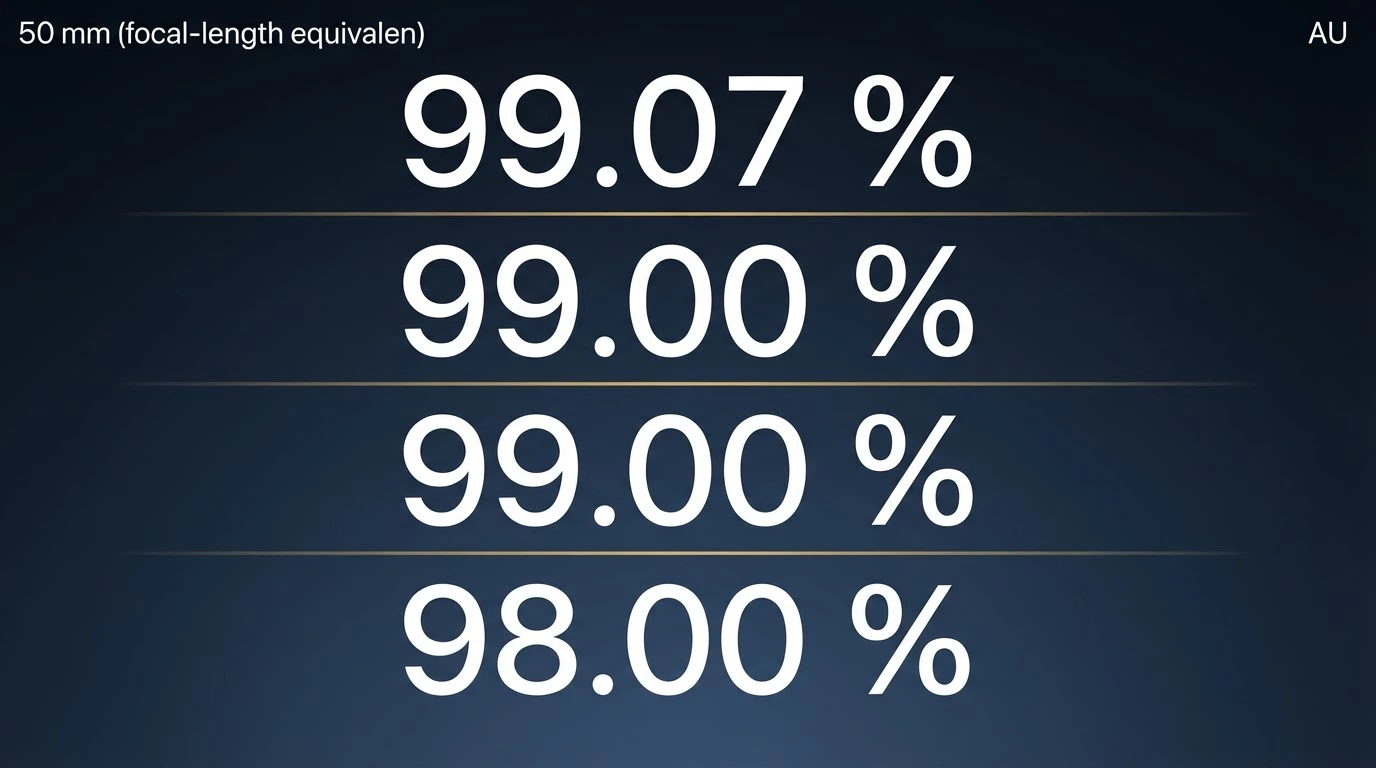
Seventeen pokies carry published, verifiable RTP figures for offshore play. They are listed here from highest to lowest, with the volatility class and max-win multiplier where research confirms them. The table is the only ranking a reader should make decisions from; the prose below unpacks the tiers.
| Pokie Title | Provider | RTP | Volatility | Max Win |
|---|---|---|---|---|
| Ugga Bugga | Playtech | 99.07% | — | — |
| Mega Joker | NetEnt | 99.00% (Supermeter) | — | — |
| Book of 99 | Relax Gaming | 99.00% | — | 12,075x |
| Jackpot 6000 | NetEnt | 98.86% (Supermeter, max bet) | — | — |
| 1429 Uncharted Seas | Thunderkick | 98.60% | Low | 670x |
| Blood Suckers | NetEnt | 98.00% | Low | 900x |
| Starmania | NextGen | 97.87% | Low-medium | — |
| White Rabbit Megaways | Big Time Gaming | 97.72% | High | 13,029x |
| Sweet Bonanza 1000 | Pragmatic Play | 96.53% default | — | 25,000x |
| Sugar Rush 1000 | Pragmatic Play | 96.53% | High (5/5) | 25,000x |
| Bubble Up | Pragmatic Play | 96.52% | Medium | 10,000x |
| Gates of Olympus 1000 | Pragmatic Play | 96.50% | — | 15,000x |
| Wanted Dead or a Wild | Hacksaw Gaming | 96.38% | — | — |
| Le Bandit | Hacksaw Gaming | 96.34% | — | 10,000x |
| Money Train 4 | Relax Gaming | 96.10% | — | 150,000x |
| Mental | Nolimit City | 96.08% | Extreme | 66,666x |
| San Quentin xWays | Nolimit City | 96.03% | Extreme | 150,000x |
The 98% Club — Pokies Where the House Keeps Less Than 2 Cents
Five titles break the 98% RTP barrier. Each one demands something specific in return.
Ugga Bugga (Playtech) sits at the top at 99.07%. It is a multi-spin, multi-line game with a hold-feature that lets the punter lock symbols across reels. The structure is unusual; the maths is generous.
Mega Joker (NetEnt) advertises 99.00% RTP, but only in Supermeter mode — a bonus round triggered after a base-game win. Base play returns between 76.9% and 85.1%. The “99%” headline applies to a specific play sequence, not the title as a whole.
Book of 99 (Relax Gaming) returns 99.00% with a 12,075x max win. It is a simpler proposition than Mega Joker — the published RTP holds across normal play.
Jackpot 6000 (NetEnt) returns 98.86% in Supermeter mode, but only when the punter wagers the maximum 10 coins per spin. Bet less and the effective RTP drops sharply. The 98.86% figure is conditional on max-bet discipline.
1429 Uncharted Seas (Thunderkick) sits at 98.60% with low volatility and a 670x max win. The cap on the top end is the trade — you will not hit a five-figure multiplier here, but the bankroll lasts.
High-RTP Pokies Worth Your Time (96–97.99%)
Below the 98% line, the field thickens.
Blood Suckers (NetEnt) at 98.00% RTP and low volatility returns almost two dollars per A$100 wagered on average. The max win is 900x — modest against the high-volatility titles, but the bankroll is the kind that survives a thousand spins. For a punter running wagering requirements, this is the title to clear bonuses on.
Starmania (NextGen) at 97.87% with low-medium volatility sits in the same conservative bracket.
White Rabbit Megaways (Big Time Gaming) at 97.72% with high volatility and a 13,029x max win is the first entry where the variance changes the experience. Same RTP band, very different session shape.
The Pragmatic Play cluster — Sweet Bonanza 1000 (96.53% default), Sugar Rush 1000 (96.53%, high volatility 5/5, 25,000x max win), Bubble Up (96.52%, medium volatility, 10,000x max win), Gates of Olympus 1000 (96.50%, 15,000x max win) — dominates the AU offshore lobby for a reason. Pragmatic Play ships configurable RTPs and a recognisable visual style. The published RTP is the operator-chosen configuration; verify it in the paytable.
Hacksaw Gaming’s Wanted Dead or a Wild (96.38%) and Le Bandit (96.34%, 10,000x max win) sit at the upper end of this tier. Nolimit City’s Mental (96.08%, extreme volatility, 66,666x max win) and San Quentin xWays (96.03%, extreme volatility, 150,000x max win) close the table. Money Train 4 (Relax Gaming, 96.10%, 150,000x max win) is the highest non-jackpot max-win figure in the comparison.
Volatility vs RTP — Why a 99% Pokie Can Still Empty Your Balance
RTP is the long-run maths. Volatility is what happens in the session you actually play.

A low-volatility pokie returns small wins frequently. Blood Suckers at 98.00% RTP and low volatility pays out often enough that the bankroll drifts downward in small, predictable steps. A high-volatility pokie pays out rarely and large. San Quentin xWays at 96.03% RTP and extreme volatility may produce a 150,000x hit over millions of spins — and a session-ending dry spell over the next five hundred.
Two pokies at the same RTP can play completely differently. Mental at 96.08% and Blood Suckers at 98.00% are 1.92 points apart in long-run return, but the variance gap is wider than the RTP gap. A punter with a A$200 bankroll who picks Mental is more likely to lose the bankroll before realising the long-run return. A punter with the same A$200 who picks Blood Suckers is more likely to still be playing an hour later — and more likely to clear any wagering requirement.
Max win is a useful proxy for volatility but not a perfect one. The 150,000x cap on Money Train 4 and San Quentin xWays tells you those games can pay huge numbers; it does not tell you how often. Nolimit City’s Mental at 66,666x is extreme variance by classification. The Hacksaw and Pragmatic Play titles in the 96–96.5% band tend toward medium-to-high volatility with moderate-to-large caps. Read the volatility rating the way you read the RTP — as a description of long-run behaviour, not a prediction of the next spin.
For a player choosing between these titles: low volatility suits bonus clearance and short sessions. High volatility suits a bankroll that can absorb dry spells in pursuit of a top-end payout. A 99% pokie with extreme volatility can still drain a balance faster than a 96% low-volatility title over a few hundred spins. RTP is the ceiling. Volatility is the floor under your feet.
How to Check a Pokie’s RTP Before You Spin — and Why the Number Can Change
The review-page RTP is the starting point, not the answer. Three steps to verify what you are actually playing.
First, open the pokie in demo mode. Most providers build a free-play version into the game client. The paytable button opens a screen listing the RTP for that build. The figure on that screen is the one your real-money session will run on.
Second, be aware of configurable RTP. Pragmatic Play ships its popular titles in up to four RTP configurations. Sweet Bonanza 1000 can load at 97.5%, 96.53%, 95.50%, 94.50% or 91.51% depending on the operator. The same game name pays differently at different casinos. Two casinos can host “Sweet Bonanza 1000” and run it at different RTPs without changing the title in the lobby. NetEnt has the highest arithmetic mean RTP across thirteen tracked providers at 96.39% — useful as a provider-level proxy, but not a substitute for the in-game figure.
Third, expect the RTP to drift. A casino can change which configuration it loads for a title without announcing it. A punter who checked the paytable six months ago has not checked today’s paytable. If a title is paying differently than expected, the paytable is the first place to look.
The corollary: provider mean RTPs are not slot-level guarantees. NetEnt’s 96.39% across 13 providers is a catalog-wide number. Mega Joker at 99.00% in Supermeter sits at the top of that catalog; Blood Suckers at 98.00% sits below it. Big Time Gaming’s mean is 96.25%; Push Gaming’s is 96.15%. A mean is a baseline, not a ceiling.
Fast Payout Claims Don’t Prove a Casino Is Safe
“Fast paying” is the second-most-common headline on a casino review page. It is also the claim with the least Australian accountability behind it.
What “Fast Paying” Means at an Offshore Casino
A “fast payout” claim conflates two clocks. The first is the operator-side processing time — how long the casino’s finance team takes to approve a withdrawal. The second is the payment-rail lag — how long the bank transfer, card refund or crypto transaction takes to land in the recipient account after the operator releases it.
The first clock is the one the operator controls. It is also the one that determines whether a payout happens at all. Offshore casinos run their own KYC checks, their own approval queues and their own anti-fraud reviews. The clock can stop at any of those steps. A withdrawal request sitting “in review” for a week is a complaint that the marketing page did not warn about.
The second clock — the actual receipt of money — is largely outside the operator’s control once the funds are released. PayID is near-instant when it works. Bank transfers take one to three business days. Crypto settles in minutes once broadcast. None of those rails help if the operator has not released the funds in the first place.
No Australian regulator stands behind the promise. The ACMA enforces against the operator, not on behalf of any individual player — there is no AU consumer protection framework for offshore casino disputes, no ePayments code that applies, and no ombudsman to complain to. A player whose withdrawal is delayed or refused has, in practical terms, no recourse beyond the casino’s own support desk. “Fast paying” is a marketing claim that the operator can break tomorrow.
Payment Methods That Actually Work for AU Players in 2026
The deposit routes Australians actually use have narrowed. POLi was decommissioned on 30 September 2023. The current AU-facing deposit methods at offshore casinos are PayID, debit cards and crypto. Bank transfer is also common, often via Osko. BPAY, the standard AU bill-payment rail, is not widely supported offshore.
The choice of payment method itself signals where the casino sits legally. Credit cards and digital currency (crypto) have been banned as payment for online wagering in Australia since 11 June 2024. Operators accepting either face penalties of up to A$247,500. A casino that takes your credit card from an Australian IP is operating outside the Australian framework — full stop. That is the simplest litmus test the punter can apply.
Crypto is the rail most offshore casinos prefer. It settles fast, carries minimal intermediary friction and routes around Australian payment-rail controls. From 1 January 2027, banks and payment providers gain express authority to block transactions to illegal gambling operators — the rail will tighten further.
For a player choosing a payment method: PayID is the most native to the Australian banking system and the easiest to reverse or query through the issuing bank. Debit cards work but may trigger issuer-side blocks. Crypto bypasses both — which is why offshore casinos promote it. The method that is easiest to use is rarely the method easiest to recover.
The AU Legal Reality Most Casino Reviews Skip
The product is banned. Not grey, not “offshore licensed,” not regulated through a Curaçao sub-licence — prohibited under federal statute. The reviews that rank offshore casinos for Australians by bonus size almost never lead with this fact. It needs to lead here.
Online Pokies Are Banned, Not Regulated — What the IGA Actually Says
The Interactive Gambling Act 2001 (IGA) prohibits the provision of online casino games, online pokies and in-play betting to persons in Australia. There is no licence for these products anywhere in the country — not federally, not in any state or territory. The IGA targets the provider, not the player, but the effect for an Australian punter is the same: no AU-licensed site offers online pokies, and every site that does is breaking Australian law.
What the IGA does license: wagering on races and sport placed before the event begins, lotteries, and keno — through operators licensed by a state or territory. The Northern Territory Racing and Wagering Commission, administered through Licensing NT, is the de facto national licensor for online wagering. NT-licensed bookmakers carry a 5% wagering tax on wagers minus payouts plus a 0.05% racing levy; each state then sets its own point-of-consumption tax, typically 10–15% of net wagering revenue. The licensed market is real; it is just not the market offering online pokies.
Land-based casinos (Crown, The Star and state-licensed venues) exist under separate state frameworks. They are not the licence under which any online pokie operates. An online pokie with a “Crown” brand on the lobby is not licensed by the Victorian regulator; it is an offshore site using a brand. Verify the licence on the regulator’s own register, not the operator’s footer.
ACMA Enforcement — 1,564 Sites Blocked, and the 2026 Reform Raises the Stakes
The Australian Communications and Media Authority (ACMA) enforces the online prohibition. Since its first blocking request in November 2019, the ACMA has had 1,564 illegal gambling and affiliate websites blocked by Australian ISPs as of March 2026. More than 225 illegal services have withdrawn from the Australian market since enforcement was strengthened in 2017. The blocks are not advisory; they are ISP-level routing changes that take the site offline for Australian connections.
The Interactive Gambling Amendment (Gambling Reform) Bill 2026 passed both Houses of Parliament on 19 August 2026. Its measures commence on 1 January 2027. The reform extends the ACMA’s reach in several directions. From that date, banks and payment providers gain express authority to block transactions to illegal gambling operators. A national wagering advertising opt-out register, AdStop, will be administered by the ACMA. Wagering advertising during live sport is banned from 15 minutes before until 5 minutes after the event, and capped at no more than 3 ads per hour between 6:00 am and 8:30 pm. Online keno and foreign matched lotteries are prohibited. Athletes, celebrities and influencers are barred from promoting wagering products. Direct marketing of inducements is prohibited for 14 days after sign-up, 3 months after BetStop deregistration, and indefinitely for customers identified as at risk.
None of this legalises online pokies. It tightens the framework around the prohibition. From 1 January 2027 the operator faces not just blocking but blocked transactions and restricted advertising — and the player who funds an account through a domestic bank may find the transfer refused.
The Credit-Card and Crypto Ban — A Litmus Test for Any Casino You Visit
Credit cards, credit-related products and digital currency have been banned as payment for online wagering in Australia since 11 June 2024, under the Interactive Gambling Amendment (Credit and Other Measures) Act 2023. Operators that fail to enforce the ban face penalties of up to A$247,500.
The ban is the simplest signal an Australian punter can use. If a casino accepts a credit card deposit from an Australian IP, it is not operating within the Australian framework. If it accepts crypto, the same conclusion follows. The site may still be technically licensed in Curaçao or Malta; it is not licensed in Australia, because no such licence exists. The credit-card and crypto acceptance are not just payment methods — they are evidence of where the operator sits relative to Australian law.
From 1 January 2027 the bank-blocking authority makes the test even sharper. A bank can refuse a transaction to an illegal operator without further notice. The punter’s deposit may fail; the punter’s withdrawal may fail in the other direction.
Staying in Control When Australia’s Safety Net Doesn’t Reach
Australia has built a responsible-gambling framework over decades. It is rigorous. It is also geographically bounded — and the boundary runs at the waterline of the offshore casino.
BetStop — What It Protects, and the Offshore Blind Spot
BetStop, the National Self-Exclusion Register, has been live since August 2023. A single registration excludes a person from every Australian-licensed online and phone wagering service. As at 31 July 2026, BetStop had 67,480 registrations; 41,290 of those exclusions were still active, meaning more than 60% of registrants had not yet hit their chosen end date. Seventy-eight per cent of registrants were under 40, and 38% chose a lifetime exclusion. The register is the country’s central lever for self-exclusion and it binds every operator licensed in Australia.
The offshore blind spot is the entire point. BetStop binds Australian-licensed wagering services only. An offshore casino is not connected to the register and will keep taking a self-excluded person’s money. A punter who has registered with BetStop to control their play has done the right thing for the licensed market and nothing at all for the offshore market. The protection they thought they had does not extend to the casino they may still visit.
This is not a technical limitation that a future reform can patch. BetStop works because Australian-licensed operators are required to check it before opening an account. Offshore operators are not subject to that requirement, are not Australian, and have no reason to query the register. The exclusion the punter registered for is enforceable at home and unenforceable offshore.
The Numbers, the Helpline, and What You Can Actually Do
The prevalence numbers frame the picture. About 2.1% of Australian adults — roughly 430,000 people — experience problem gambling. The Australian Institute of Health and Welfare put high-risk gambling at 1.8% in 2022. In 2019, an estimated 3.9% of interactive gamblers met the criteria for problem gambling, up from 2.7% in 2010–11 — an increase of nearly 50% across less than a decade. Interactive gamblers were more than twice as likely to report at least one gambling harm (34.0%) compared to non-interactive gamblers (15.6%). Australians lose approximately A$25 billion on legal forms of gambling each year. Online gambling is the fastest-growing segment: 11% of Australians had gambled online in the previous six months at the 2022 ACMA survey, up from 8% in 2020.
The help infrastructure exists. The National Gambling Helpline is 1800 858 858 — free, confidential, staffed 24/7. Online chat and counselling are available through Gambling Help Online at gamblinghelponline.org.au. The helpline is not bound by whether the person played at a licensed venue or an offshore site; the conversation is the same either way.
The practical harm-reduction tools available at an offshore casino are the ones the punter sets themselves. Deposit limits (daily, weekly, monthly), session time-outs, cooling-off periods, account closure. These are standard features on any responsible offshore operator — but the operator is not obligated to honour them, the ACMA cannot enforce them, and there is no Australian register that binds the operator to its own settings. The punter’s deposit limit is a request to a counterparty that owes them nothing.
What the 2026 reform adds, from 1 January 2027, is inducement protection at licensed operators — a ban on direct marketing of bonuses for 14 days after sign-up, three months after BetStop deregistration, and indefinitely for at-risk customers. None of that extends to offshore. The licensed market gets the protection; the offshore market does not.
Offshore Casinos Accepting AU Players — What They Actually Offer
Ten offshore casinos accepting Australian players were reviewed for this comparison. The table below records what the published terms confirm and what they leave blank. The blanks are not editorial gaps — they are gaps in what the operator publishes.
| Operator | Welcome Offer | Game Library & Key Providers |
|---|---|---|
| Rocket Play | 100% up to A$1,000 + 100 FS (Aztec Magic, BGaming); 40x bonus; 40x FS winnings; FS 20/day over 5 days; min deposit A$25–A$35 | BGaming confirmed; others not confirmed |
| SkyCrown | Up to A$8,000 + 400 FS across 4 deposits (Book of Dead, Play’n GO); 40x bonus; 30x FS winnings; 14-day validity; A$5 max bet; FS win cap 10x spin production; A$0.20 spin | 5,000+ games; Play’n GO confirmed |
| Royal Reels | — | — |
| WinSpirit | 200% welcome bonus + 25 FS | — |
| Stake | Rakeback/VIP programme (no traditional welcome bonus) | Pragmatic Play, Hacksaw Gaming, Nolimit City confirmed |
| Rainbet | — | — |
| Scream Casino | — | — |
| FairGO | 100% up to A$200 × 5 deposits (total A$1,000); 30x deposit + bonus; min A$20; no max cashout on deposit bonuses; no FS in standard welcome | RTG (RealTime Gaming) exclusively |
| Bizzo Casino | Up to A$7,250 + 175 FS over 4 deposits; 40x; A$8 max bet; no-deposit 10 FS at 40x with A$75 win cap | 70+ studios; 8,000+ games; PayID confirmed |
| Rocket Casino | — | — |
Every operator in this table is offshore. None holds an Australian licence because no Australian licence for online casino exists. Each carries the same offshore caveat: no Australian consumer protection, no BetStop coverage, no recourse if a withdrawal is refused or a win is voided. The IGA prohibition is described in the section above.
Rocket Play — 100% Match With a 40x Reality Check
RocketPlay runs a 100% welcome bonus up to A$1,000 plus 100 free spins on Aztec Magic (BGaming). Both the bonus funds and the free-spin winnings carry a 40x wagering requirement — a separate playthrough for each. The free spins release in batches of 20 per day over five days, so the player cannot sit down and clear them in one session. The minimum deposit sits between A$25 and A$35 depending on the route.
What the published terms do not record: the bonus validity window, the maximum cashout from the offer, and the per-spin value of the free spins. Each is a lever the operator can pull on the bonus’s effective value.
The 40x-bonus-and-40x-free-spins split is the load-bearing term. A punter who treats the bonus as a single A$1,000 loan and clears the bonus alone has not finished — the free-spin winnings start their own playthrough. The “100% match” reads as generous; the dual 40x makes it one of the more expensive offers in this comparison on a per-dollar basis. RocketPlay suits a player who wants to spread a first deposit across multiple game types and is willing to track two parallel wagering clocks.
SkyCrown — The A$8,000 Headline That Takes Months to Clear
SkyCrown’s headline is the largest in this comparison: up to A$8,000 plus 400 free spins across four deposits, with the free spins on Book of Dead by Play’n GO. The bonus carries 40x wagering; the free-spin winnings carry 30x. Validity is 14 days from each deposit. Maximum bet while a bonus is active is A$5. Free-spin winnings are capped at 10x the total spin production; each spin is valued at A$0.20. The game library runs 5,000+ titles.
The 14-day validity window is the load-bearing restriction. A$8,000 in bonus funds at 40x wagering is A$320,000 of required turnover. At A$5 maximum bet and 5 seconds per spin, that is 64,000 spins and roughly 89 hours of continuous play — more than six 14-day windows stacked back-to-back. No casual player clears the full SkyCrown welcome inside the validity. The bonus is structured for either high-volume play or partial clearance. The capped free-spin winnings, at 10x the spin production (A$0.20 × 400 = A$80 → A$800 cap), are modest against the headline.
SkyCrown suits a player with a large bankroll, a high daily time budget, and a willingness to navigate a four-stage deposit schedule. For anyone else, the headline figure is mostly a number on a page.
Bizzo Casino — A$7,250 Across Four Deposits, With Fine Print That Bites
Bizzo’s welcome package reaches A$7,250 plus 175 free spins across four deposits. Wagering is 40x; maximum bet while a bonus is active is A$8. The library is broad: 70+ studios, 8,000+ games, with PayID confirmed as a deposit route. The operator runs under a Curaçao licence through TechSolutions Group N.V.
The fine print is the story here. The A$8 maximum bet is generous by industry standards — but Bizzo also runs a no-deposit offer: 10 free spins for installing the PWA app, at 40x wagering with an A$75 win cap. The no-deposit offer is the more interesting restriction. A punter who installs the app, plays the 10 spins, and wins A$200 finds the withdrawable amount capped at A$75. The remaining A$125 is the price of the no-deposit hook.
PayID availability is a real point in Bizzo’s favour against an Australian player base. Most of the rest of the offer is standard offshore fare: large headline, 40x wagering, game library large enough that no single restriction matters much in isolation. Bizzo suits a player who wants PayID as the deposit rail and is willing to read the no-deposit terms carefully before claiming.
FairGO — Low Wagering, RTG-Only Library, and No Cashout Cap
FairGO is the outlier in this comparison. The welcome bonus is 100% up to A$200 on each of the first five deposits, totalling up to A$1,000 in bonus funds. The wagering requirement is 30x on deposit and bonus combined — meaningfully lower than the 40x the rest of this comparison runs at. The minimum deposit is A$20. There is no maximum cashout on deposit bonuses, and no free spins in the standard welcome.
The trade-off is the game library. FairGO runs RealTime Gaming (RTG) exclusively. RTG is a single provider with a recognisable catalog but a narrow one — no Pragmatic Play, no Hacksaw, no Nolimit City, no Big Time Gaming. A player who specifically wants the highest-RTP titles from this comparison’s table (Ugga Bugga, Mega Joker, Book of 99, Mental, San Quentin xWays) will not find them at FairGO.
The no-max-cashout clause is the genuine prize. A punter who hits a 900x multiplier on an RTG pokie can withdraw the full amount, subject to standard KYC. That is rare in the offshore market. FairGO suits a player with a small bankroll who values low wagering, a single-provider catalog they know, and the absence of a cashout ceiling over the breadth of a multi-studio lobby.
WinSpirit — A 200% Boost With Sparse Fine Print
WinSpirit leads with a 200% welcome bonus plus 25 free spins. The headline percentage is the highest in this comparison.
The terms page does not publish the wagering requirement, the bonus validity, the game providers, the maximum cashout or the spin value. Each of those is a lever that materially changes what the bonus is worth. A 200% bonus at 30x wagering is a different offer from a 200% bonus at 60x. A 200% bonus with a 7-day validity is a different offer from a 200% bonus with a 30-day validity. Without the published terms, the comparison this page is built around cannot run.
WinSpirit is the case study in why the table above carries blanks. A large percentage match is not a value proposition until the multipliers, the validity, the providers and the cashout terms are visible. Until WinSpirit publishes them, the offer is a number, not an offer.
Stake — No Welcome Bonus, But a Different Model Entirely
Stake does not run a traditional welcome bonus. The platform replaces the welcome-package model with a rakeback and VIP programme — a percentage of house edge returned to active players over time. The licence commonly cited is Curaçao, though this was not independently confirmed in the review period. The lobby includes Pragmatic Play, Hacksaw Gaming and Nolimit City, which covers most of the high-RTP titles in this comparison’s table.
The model suits a different player from the one a welcome bonus is designed for. A punter who plays weekly rather than at first deposit, who grinds volume rather than chasing a single big win, and who values ongoing rakeback over a one-time headline is the target. The wagering question that dominates the rest of this comparison does not apply to a rakeback model — but the offshore caveats do, and Stake’s Curaçao licence carries none of the protections an Australian punter would get at home.
The Curaçao licence is commonly cited rather than independently confirmed; treat it as the operator’s own claim and verify on the Curaçao Gaming Control Board register before relying on it.
Royal Reels — An AU-Facing Brand With Almost No Public Terms
Royal Reels targets the Australian market by name and theme. The brand recognition is real. The published bonus terms — the wagering requirement, the validity window, the game providers, the maximum cashout, the spin value — are not. The review could not confirm any of them at the operator’s published terms page during the review period.
The honest position is that Royal Reels is an offshore casino accepting Australian players with a familiar name and an offer whose cost cannot be calculated from publicly available information. Until the operator publishes those terms, this page cannot rank the offer against the others above. The AU-facing branding is not, on its own, evidence of value.
Rainbet — A Recognised Name Operating Without Published Bonus Details
Rainbet is a recognised name in the AU offshore scene. The recognition is built on the brand, not on published bonus or provider data. Welcome bonus, free-spin count, wagering requirement, validity window, game providers, maximum cashout and per-spin value were all not confirmed at the operator’s published terms during the review period.
The same caveat applies as with Royal Reels: brand familiarity is not the same as verifiable offer terms. A punter who already plays at Rainbet has information this page does not; a punter choosing between operators on this list has only the published terms to compare, and Rainbet’s column is empty.
Scream Casino — What We Could Verify — and What Stayed Hidden
Scream Casino’s published terms did not yield verifiable welcome bonus, free-spin, wagering, validity, provider or cashout data during the review period. The operator’s name carries brand recognition in parts of the AU offshore market; the offer behind it does not publish the data needed to compare it with the rest of this table.
Rocket Casino — A Familiar Name Whose Offer Terms Stayed Out of Reach
Rocket Casino is familiar to AU offshore players by name. The published terms did not yield verifiable bonus, wagering, validity, provider or cashout data during the review period. As with Royal Reels, Rainbet and Scream, the brand is known; the offer behind it cannot be ranked from publicly available information alone.
How We Selected and Ranked These Offshore Operators
The ranking above is built on what could be verified, not what was claimed. Three sources feed every number on this page: the Australian Communications and Media Authority (ACMA) for enforcement records and regulatory data; the Interactive Gambling Act 2001 and its amendments for the legal baseline; and the published terms pages of each operator named.
The criteria that ordered the ranking are verifiable bonus terms, wagering conditions, game-library transparency and RTP availability. An operator whose published terms page records the wagering multiple, the validity window, the maximum cashout and the spin value ranks above one whose terms page does not. An operator whose game library names its providers ranks above one whose lobby lists games without attribution. An operator whose terms are complete enough to support the expected-loss arithmetic in this page’s first section ranks above one whose terms are not.
Every operator was checked against the ACMA enforcement record and the IGA prohibition. All ten sit on the offshore side of that line — none is licensed in Australia, because no such licence exists. The IGA prohibition, not the operator’s own footer, is the baseline.
No invented weightings or percentages were applied to produce the ranking. Where research did not confirm a number, the cell is blank. Where research confirmed a number, it appears as the operator published it.
Don’t Chase the Biggest Bonus — Chase the Best RTP
The pattern this page surfaces is not subtle. Welcome bonuses lead with large numbers and end with cost arithmetic that erodes most of the headline. Wagering multiples of 40x turn an A$8,000 bonus into a A$320,000 turnover requirement with an expected loss north of A$13,000 at industry-average RTP. Smaller bonuses at lower multiples clear more cheaply and leave more behind. The highest-RTP pokies are reachable from Australia, but only at operators that are illegal under Australian law, that are not bound by BetStop, and that can be blocked by an ISP tomorrow without notice.

The practical decision framework this page supports is threefold. First, check the pokie’s RTP in the paytable of the casino where you are about to play — not the review-page figure, not the provider’s catalog average, the actual number your screen shows. Second, read the bonus terms before claiming: wagering multiple, validity window, maximum bet, free-spin cap, max cashout. Third, know the legal landscape: the IGA prohibition, the offshore blind spot in BetStop, the credit-card and crypto ban as a litmus test, the ACMA’s site-blocking record, and the bank-blocking authority coming on 1 January 2027.
The best-paying pokie for an Australian player in 2026 is the one whose RTP you verified yourself, at an offshore casino whose terms you have read, accepting a payment method you understand the risk of, with a deposit limit in place and the National Gambling Helpline (1800 858 858) in your phone. The page does not promise that combination exists. It describes what to look for before you decide it does.
Frequently Asked Questions
What is the highest paying online pokie in Australia?
Ugga Bugga by Playtech, at 99.07% RTP, is the highest published figure among pokies reachable from Australia. It sits at an offshore casino, because online pokies are prohibited in Australia under the Interactive Gambling Act 2001 — there is no AU-licensed site that hosts any pokie, let alone the highest-paying one.
What does RTP mean in pokies and how does it affect my winnings?
Return-to-player is the percentage of all wagered money a pokie returns to players over millions of spins. The vast majority of online pokies sit between 94% and 97% RTP; the industry average across more than 200 reviewed titles is roughly 95.7%. RTP is a long-run average, not a session predictor — over a few hundred spins, anything can happen. Mega Moolah’s 88.12% base RTP is the cautionary case: progressive jackpots pay rarely and pay huge, with the RTP weighted heavily toward a single outcome across millions of spins.
Are online pokies legal in Australia?
No. Online casino games, online pokies and in-play betting are prohibited under the Interactive Gambling Act 2001. There is no Australian licence to obtain — not federally, not in any state or territory. The statute targets the provider. The ACMA has had 1,564 illegal gambling and affiliate websites blocked by Australian ISPs since November 2019, and from 1 January 2027 banks gain express authority to block transactions to illegal operators as well.
Can I play online pokies for real money in Australia?
Australians do, at offshore casinos that accept AUD and process PayID or crypto deposits. POLi was decommissioned on 30 September 2023; the current AU-facing routes are PayID, debit cards and crypto. They do so without Australian consumer protection, without BetStop coverage, and without recourse if a withdrawal is refused or a win is voided. Credit cards and crypto are banned for licensed wagering since 11 June 2024, so a site accepting either is operating outside the Australian framework entirely.
Do online casinos in Australia accept credit cards or crypto for deposits?
Licensed Australian operators cannot. Credit cards, credit-related products and digital currency have been banned as payment for online wagering since 11 June 2024. Operators that fail to enforce the ban face penalties up to A$247,500. From 1 January 2027 banks and payment providers also gain authority to block transactions to illegal operators. If a casino takes your credit card or crypto, it is operating outside the Australian framework, full stop.
What is BetStop and does it cover offshore casino accounts?
BetStop is Australia’s National Self-Exclusion Register, live since August 2023. A single registration excludes a person from every Australian-licensed online and phone wagering service. As at 31 July 2026, the register had 67,480 registrations, with 41,290 still active and 38% of registrants having chosen lifetime exclusion. The critical limitation: BetStop binds AU-licensed operators only — an offshore casino is not connected and will keep taking a self-excluded person’s money.