
Best Casino in Canberra in 2026: Casino Canberra, Reviewed in a One-Venue Market
 Available in AU
Casino Canberra is the only licensed casino in the Australian Capital Territory, and has held that monopoly since the licence was last issued on 23 December 2014. Every other option a Canberran can play at — and there are several — operates offshore with no Australian licence and no path to one. That single fact shapes everything that follows. The venue is the lone legal table in town, and the question of whether it is the “best” is really the question of whether the only one is worth the visit.
18 October 2026 — verified against the ACT Gambling and Racing Commission register.
Table of Contents
- Casino Canberra: The ACT’s Only Licensed Casino, 2026
- Canberra’s Casino Options: One Licensed Venue and the Offshore Reality
- Inside the Gaming Floor: Tables, Tournaments and the Pokies Canberra Doesn’t Have
- Online Casino in Australia Is Illegal — Here’s What That Actually Means
- More Than Gaming: Casino Canberra’s Restaurants, Bars and Rooftop
- Before You Go: Hours, Parking, Events and What to Expect
- When Gambling Stops Being Entertainment — Help That Is Free and 24/7
- How We Evaluated Canberra’s Casino Options
- Is Casino Canberra Worth Visiting? What the Facts Say
- Frequently Asked Questions
Casino Canberra: The ACT’s Only Licensed Casino, 2026
The Venue and Its ACT Setting
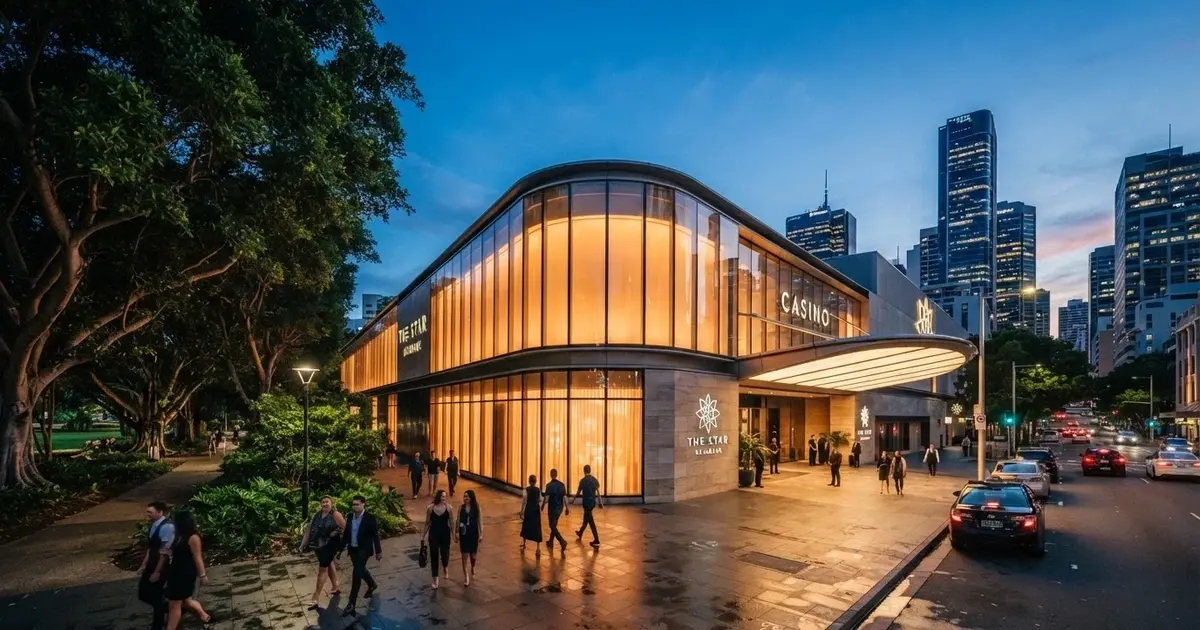
The casino sits at 21 Binara Street, on the edge of Glebe Park in the Canberra CBD. The land itself was excised from Glebe Park under a 99-year lease between the licensee and the territory government — the venue does not own the ground it stands on, it leases it for the working life of the casino.
That detail matters more than it sounds. A 99-year lease, signed at a moment when no one in the territory government expected to be reconsidering the deal, locks the casino into a CBD address within walking distance of the city’s main hotels, the ANU campus and Civic’s restaurant strip. The trade-off is that the venue operates on borrowed ground. Every dollar spent on buildings depreciates against a clock the territory government owns.
The current owner is Iris Capital, which holds the operating entity Aquis Canberra Pty Ltd. The current licence dates from 23 December 2014, issued under section 22 of the Casino Control Act 2006 (ACT). Before that, the venue had been running on a series of renewals stretching back to the original permanent opening on 29 July 1994 — itself a step up from the temporary casino that operated out of the National Convention Centre from 14 November 1992.
The shape of the building is a modest footprint by casino standards. There is no hotel tower rising behind it. There is no pokie barn attached to it. What there is, is a single integrated gaming floor, three dining and bar venues, and a private events space. The setting does the heavy lifting on atmosphere — Civic’s skyline and Glebe Park’s greenery press right up to the windows.
What “Best Casino in Canberra” Actually Means
A single-venue market is a strange place to write the words “best casino”. There is no second place. There is no Crown Melbourne or The Star Sydney within driving distance for a serious head-to-head. For a Canberran, the choice collapses to Casino Canberra versus not playing at all, or playing somewhere no Australian regulator oversees.
So “best” here is a question of fit. Does the venue deliver what a visitor expects from a casino? Do the table games cover the spread a serious player wants? Is the floor comfortable, the dining credible, the loyalty program worth the points? Are there things the venue conspicuously cannot do — no pokies, no hotel, no 24-hour operation — and do those gaps matter for the visitor who has come for a night out?
The honest reading runs two ways. Yes for the table-gaming audience who came for blackjack, roulette, baccarat and tournament poker, and who values a quieter floor over a thousand-machine pokie barn. No for the pokie player, for whom the venue is structurally unable to deliver the product. The full picture follows so a reader can judge fit for themselves.
Geo Scope: Canberra and the Surrounding Region
Casino Canberra’s catchment is the ACT and the surrounding region — Canberra proper, the Queanbeyan area just across the NSW border, and the regional NSW towns that feed into the capital for work and entertainment. For a Sydney visitor, the drive south is around three hours; for a Melburnian, longer.
The two genuinely comparable Australian casinos sit much further away — Crown Melbourne and The Star Sydney in Pyrmont. Neither is a casual weekend alternative for a Canberran, which is why Casino Canberra has no real local competitor despite the small population of the territory. The ACT itself numbers around 460,000 people, with the broader Canberra–Queanbeyan region adding several hundred thousand more on top.
That geographic monopoly is the structural reason the venue operates the way it does. No pokie floor to compete with clubs and hotels on. No rival table-gaming venue to poach the high-rollers. No second casino licence to dilute the licence-holder’s position. The venue occupies the niche it has because no one else has been allowed to occupy it. For an operator that wants to grow, that is the ceiling. For one that wants to protect what it has, it is exactly the right shape.
Canberra’s Casino Options: One Licensed Venue and the Offshore Reality
| Operator | Licensed in Australia | Product Type |
|---|---|---|
| Casino Canberra | Yes (ACT, Casino Control Act 2006) | Land-based casino |
| SkyCrown | No | Offshore online casino |
| Neospin | No | Offshore online casino |
| RocketPlay | No (Curaçao OGL/2024/1307/0748) | Offshore online casino |
| Royal Reels | No | Offshore online casino |
| Stake | No | Offshore online casino |
| WinSpirit | No | Offshore online casino |
| FairGO | No | Offshore online casino |
| Scream Casino | No | Offshore online casino |
| Bizzo Casino | No | Offshore online casino |
That table is the entire market for “casinos in Canberra” in two lines. One ACT-licensed land-based venue. Nine offshore online brands, each operating from outside Australia without any licence to provide online casino services to Australians — a provision that has been illegal under the Interactive Gambling Act 2001 since well before any of them launched.
The framing matters because the comparison is not a level one. Casino Canberra is regulated by the ACT Gambling and Racing Commission, can be physically inspected, takes complaints in writing, and binds itself to the responsible-gambling infrastructure the territory requires. None of the offshore brands are subject to any of that. They are not bad-faith operators necessarily — some carry serious Curaçao or other overseas licences and have built real reputations in markets where their activity is legal. They are simply not licensed for this market, and the IGA prohibition is the reason.
What follows is each operator written on its own terms, with the licence status carried in the heading so no reader mistakes the comparison for a recommendation to play offshore.
Casino Canberra — The Licensed Anchor
Casino Canberra is the only ACT-licensed casino, the only Australian venue not licensed to operate poker machines, and the only one of its peer group with a regulator a punter can actually phone. It carries 39 gaming tables on the main floor, which is more than enough for any single shift to feel busy without feeling crowded.
The table spread covers the core trio a player expects — blackjack, roulette and baccarat — plus the supporting cast: poker variants, pai gow, money wheel, pontoon and a house game called Canberra Poker. Electronic table games sit alongside the live dealer pits, and a multi-terminal gaming stadium with 50 seats runs live-dealer roulette on touchscreens. That stadium is the venue’s nod to the electronic-roulette trend without giving up the live-dealer feel — a useful middle ground for visitors who want a quicker game and a quieter seat.
What the venue does not run is poker machines. Casino Canberra is the only Australian casino without pokies, and that absence is not an accident of management. The venue has been eligible to acquire up to 200 poker machines and 60 fully automated table games since 2017 legislation passed, subject to redeveloping the site and adopting harm-minimisation measures including mandatory pre-commitment and a $2 maximum bet. The licensee has, to date, chosen not to exercise that eligibility. That choice shapes the venue’s character more than any other single decision.
The Infinity Rewards loyalty program is the venue’s main retention tool, with three tiers earned over six months of play.
| Tier | Points to Qualify (6 months) | F&B Discount | Parking | Signature Perk |
|---|---|---|---|---|
| Gold | Free to join | 10% | Standard rates apply | Entry-level benefits |
| Ruby | 25,000 points | 15% | Free at Crowne Plaza | Enhanced F&B and event access |
| Diamond | 80,000 points | 20% | Free at Crowne Plaza | Private gaming room + dedicated host |
A few things to know about this table. One hundred Infinity points convert to $1, so the 25,000-point Ruby threshold is equivalent to $250 of rated play across six months, and the 80,000-point Diamond threshold is $800. These are not large numbers by international casino-loyalty standards. The value is concentrated in the higher tiers — a Diamond member gets a 20% food and beverage discount, validated free parking at Crowne Plaza next door, a private gaming room, and a personal host. The Gold tier is mostly a way to get a name on the system and earn the discount.
Natural Nine is the venue’s signature restaurant, serving Pop Chinese cuisine against a casino-floor backdrop. Onyx Lounge and Chandelier Bar fill out the food and beverage line-up, with a rooftop bar adding an outdoor option on the upper level. There is no on-site hotel — the venue sits in a CBD where nearby accommodation is plentiful rather than captive. That is a deliberate trade: Casino Canberra is a destination for a night, not a destination for a weekend, and the dining and gaming are designed to fit that window.
What this operator is worth comes down to who is asking. For a Canberran or a regional visitor who wants to play table games legally in a quiet, well-run venue with a credible loyalty program and decent food, Casino Canberra is the only choice on the table — and it is a good one. For someone chasing a thousand-machine pokie floor, a 24-hour operation or a hotel with the casino attached, this is the wrong venue entirely.
SkyCrown (Offshore, Curaçao — No Australian Licence)
SkyCrown offers a welcome package of up to A$8,000 plus 400 free spins across the first four deposits, with a 40x wagering requirement on both the bonus money and the free-spin winnings. The minimum qualifying deposit is A$30, and the game library sits at over 7,000 titles spanning fiat and crypto.
The headline figure is large. A$8,000 is a meaningful package in Australian-dollar terms, and 400 free spins is generous by the standards of licensed wagering operators in this country — most of whom cannot offer casino bonuses at all because the product they would attach them to is prohibited. That mismatch is the point. The A$8,000 number is calibrated against offers that licensed Australian wagering brands do not make, because licensed Australian wagering brands do not run online casinos.
The wagering multiplier is 40x on both bonus money and the free-spin winnings. Assume a player claims the full A$8,000 across the four deposits and plays it through once. The required turnover is A$320,000 before any of the bonus or the winnings attached to it become withdrawable. The free spins add their own turnover on top, calculated against the value of what the spins actually pay out. Most players will not clear the package in full, and most who attempt to will end up converting a small fraction of the headline value into withdrawable cash. That is the maths of every bonus of this shape.
There is no Australian consumer protection if the operator refuses a withdrawal, voids a bonus for a terms technicality, or simply disappears. BetStop self-exclusion does not reach these services. None of this is unique to SkyCrown — it is the inherent risk of choosing an offshore operator.
The A$8,000 headline is a marketing number for a product that is illegal to provide in this country. The 40x wagering multiplier that turns that headline into a real cost is the number that actually matters.
Neospin (Offshore — No Australian Licence)
Neospin offers a 300% match welcome package worth up to A$11,000 plus 300 free spins, and a 20% daily cashback for regular players. The game library is around 3,000 pokies and table games.
A 300% match is an aggressive multiplier. It also concentrates the wagering exposure on the bonus side of the balance. A player who deposits A$100 and claims the full 300% match is sitting on A$400 of bonus-funds exposure, and any withdrawal before the wagering requirement clears takes the bonus money — and most of the winnings attached to it — back.
The headline terms research confirms are the match size, the free-spins count, and the cashback offer. The wagering multiplier, bonus validity, and maximum cashout are not specified in what was verifiable this run, so they sit in the unknown column. For most offshore brands in this market, that is a deliberate choice rather than an oversight — the smaller the printed terms, the harder they are to compare against a competitor.
Neospin, like SkyCrown, is offshore. The same caveats apply in full: no Australian consumer protection, ACMA can block the site, BetStop does not cover it, and the operator’s own regulator sits in another jurisdiction with different disclosure rules.
A 300% match is generous by Australian standards — but Australian standards are missing this product entirely. For a Canberra player, the more useful question than “is the bonus big” is “do I want to be playing this product at all”, and that question the IGA already answers.
RocketPlay (Offshore, Curaçao — No Australian Licence)
RocketPlay is operated by Scores55 Tech B.V., licensed by the Curaçao Gaming Control Board under licence OGL/2024/1307/0748. The welcome offer is a 100% match up to €1,000 plus 100 free spins on the first deposit, with thousands of games including Pragmatic Play content. Crypto deposits start from around A$25 equivalent.
RocketPlay’s positioning is more crypto-fluent than the typical offshore casino. The Curaçao licence is a real one — Curaçao is not a top-tier regulator, but it is a recognised jurisdiction with KYC and dispute processes — and the crypto deposit flow is built into the platform rather than bolted on. For a reader already holding crypto, that lowers the friction. For a reader using a debit card, it adds little.
The same caveats as the other offshore brands apply in full: not licensed in Australia, no ACMA recourse, no BetStop coverage, no Australian consumer protection. The IGA prohibition is the legal frame around the whole operation.
RocketPlay’s differentiator is the crypto on-ramp and the Curaçao licence — both real, both meaningful in markets where they apply, neither of which converts an unlicensed product into a licensed one for an Australian customer.
Royal Reels (Offshore — No Australian Licence)
Royal Reels is an offshore casino brand reaching Australian screens without any Australian licence. The brand name leans heavily on the pokie-player audience, which is also the audience Casino Canberra structurally cannot serve. Because this operator is offshore and unlicensed, it provides no Australian consumer protection and falls entirely outside the reach of local regulators.
Stake (Offshore — No Australian Licence)
Stake is a high-profile offshore casino brand with a strong cryptocurrency-native footprint and a global sponsorship portfolio. It is well known to Australian sports fans through its sponsorship of major sports codes and individual athletes.
Stake operates offshore and lacks any Australian licence. It provides no Australian consumer protection and operates entirely outside the oversight of the ACMA or local tribunals. The platform’s high brand recognition can create a false impression of legitimacy, but it remains an unlicensed service for Australian users.
WinSpirit (Offshore — No Australian Licence)
WinSpirit is an offshore casino brand reaching Australian players without any Australian licence. Players should be aware that because it is unlicensed in Australia, it lacks local consumer protections and remains subject to potential blocking by federal authorities.
FairGO (Offshore — No Australian Licence)
FairGO is an offshore casino brand with an Australia-facing name, marketed to Australian players without holding any Australian licence. The brand relies on national imagery to attract users, yet it operates in a legal grey area with no recourse for Australian players in the event of a dispute.
Scream Casino (Offshore — No Australian Licence)
Scream Casino is an offshore casino brand reaching Australian screens without any Australian licence. Being unlicensed, it provides no Australian consumer protections, and local gamblers have no avenue for dispute resolution should an issue arise with a withdrawal or account.
Bizzo Casino (Offshore — No Australian Licence)
Bizzo Casino is an offshore casino brand active in the Australian market without any Australian licence. It functions outside the Australian regulatory framework, meaning players forfeit local consumer rights when using the service.
Inside the Gaming Floor: Tables, Tournaments and the Pokies Canberra Doesn’t Have
Blackjack, Roulette, Baccarat and Every Table Game on the Floor
Casino Canberra runs thirty-nine gaming tables across its main floor. The line-up covers the trio a player expects — blackjack, roulette, baccarat — and extends well beyond it: poker variants, pai gow, money wheel, pontoon and a house game called Canberra Poker. Electronic table games run alongside the live dealer pits. The result is a floor that feels broad without feeling thin — more variety than any single visitor is likely to sample in one sitting, less than a major Sydney or Melbourne property.
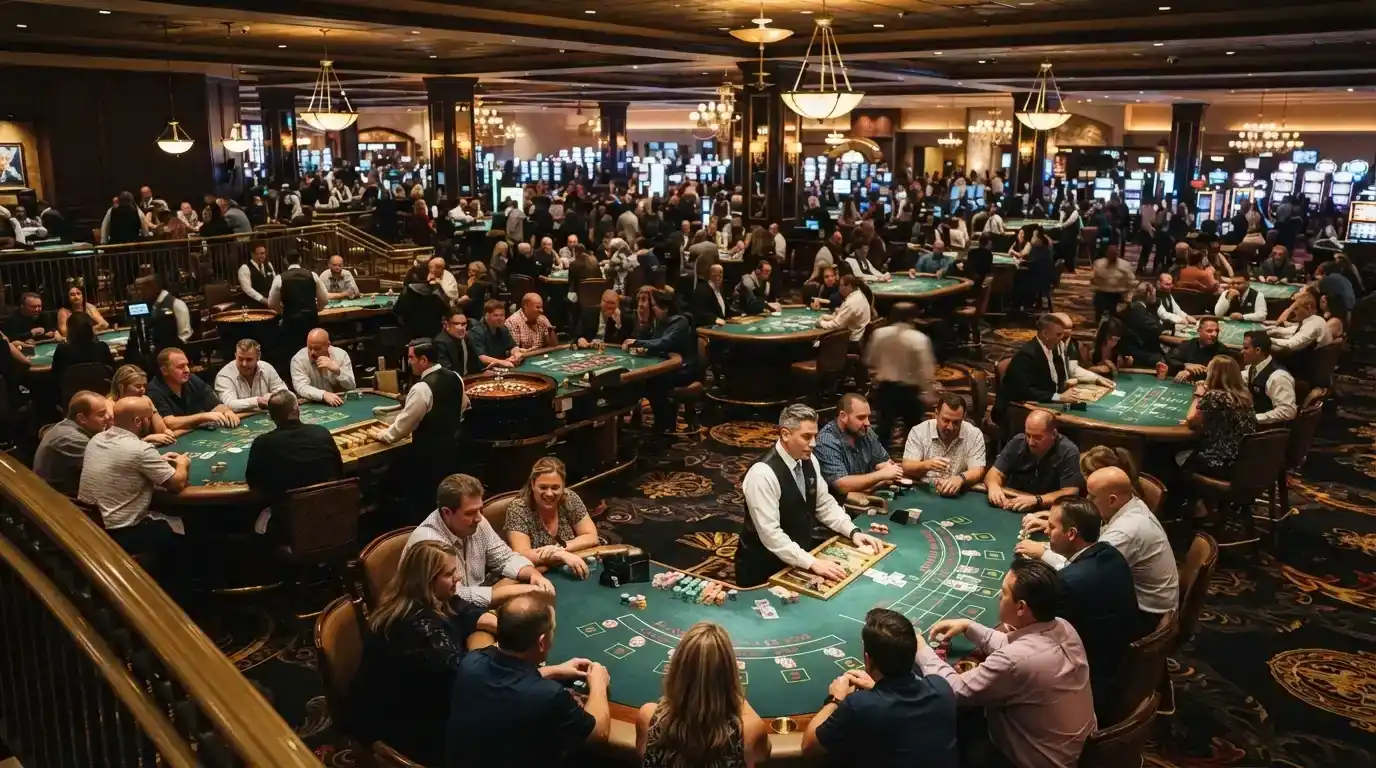
The layout makes use of the multi-terminal gaming stadium — fifty seats running live-dealer roulette on touchscreens. The format bridges electronic-roulette speed and live-dealer atmosphere. For a visitor who wants to play several hands an hour rather than the three or four an hour a manual table delivers, the stadium is the right station. For a visitor who wants the felt-and-dealer experience for its own sake, the main floor is where to sit.
Table minimums vary by game and shift, and the venue does not publish a single floor-wide minimum. The published tournament buy-ins give the roughest read: roulette tournaments run $75 to $100 to enter for Advantage members, blackjack tournaments similarly priced. Mid-week floor minimums tend to sit lower than weekend evening minimums, and high-limit rooms open during peak periods. A visitor planning a first visit should plan on $25 minimums for the standard blackjack and roulette tables during the day, climbing to $50 or higher on weekend evenings.
What the floor does not carry is poker machines. The absence is a structural fact, not an oversight — the section on the venue’s legislative history is the place that explains why.
Poker Tournaments, Buy-ins and the Prize-Pool Structure
Casino Canberra runs tournament poker, with a published event calendar anchored by Advantage loyalty membership. Roulette tournaments carry buy-ins of $75 to $100, with a standard prize pool of $4,000 split $2,000 to first, $1,500 to second, $500 to third. Blackjack tournaments follow the same shape — a $2,000/$1,500/$500 prize pool paid out in promotional chip vouchers rather than cash.
The chip-voucher payout is worth noticing. A blackjack tournament winner does not walk out with $2,000 in their pocket. They walk out with $2,000 in promotional chips, playable at the casino’s tables under the conditions printed on the voucher. For a frequent visitor who plays the floor regularly, that is a useful credit. For a tourist whose trip is one or two nights long, it is a credit they may not get to spend before they leave.
Tournament entry is restricted to Advantage members — Infinity Rewards effectively, with the standard tier structure. Non-members cannot enter, which means a first-time visitor who wants to play in a tournament needs to register for the loyalty program before the event. Registration is free and happens at the players desk on the night.
The schedule runs across the week, with weekday events typically lighter on buy-in and weekend events carrying the bigger prize pools. The venue’s events calendar on the official site is the live source, and tournament details — buy-ins, prize structures, eligible members — change between events. Reading the specific terms for the night a visitor plans to attend is worth the ten minutes it takes.
Why Casino Canberra Has No Poker Machines — and What That Means
Casino Canberra is the only casino in Australia not licensed to operate poker machines. That absence is not an accident of management. It is the result of a specific legislative pathway.
In October 2017, the ACT Legislative Assembly passed amendments that made Casino Canberra eligible to acquire up to 200 poker machines and 60 fully automated table games — but only on conditions. The venue would need to redevelop the site to accommodate them. It would need to adopt harm-minimisation measures including a mandatory pre-commitment system and a $2 maximum bet per spin. And it would need to clear the political and regulatory hurdles required to exercise the eligibility.
The licensee has, to date, chosen not to. The current venue operates without pokies, which means it competes for table-gaming visitors without competing for the pokie audience that clubs and hotels across the territory already serve. Clubs and hotels under the Gaming Machines Act 2004 (ACT) carry the bulk of the ACT’s poker-machine market, and the territory has been actively reducing the number of machines in circulation — a commitment to take the territory’s electronic gaming machine authorisations from around 5,000 in 2016 down to 3,500 by 1 July 2025.
The push to reduce EGM numbers sits alongside separate harm-reduction proposals. The 10th Parliamentary Agreement included the introduction of $5 bet limits and $100 load-up limits for EGMs, both of which are designed to slow the pace of losses on the machines that remain in service. None of these measures apply directly to Casino Canberra because the venue does not run the machines.
For the visitor, the practical effect is a casino floor that looks different from every other Australian casino. No rows of flashing screens, no jackpot chime every few seconds, no machine-driven ambient noise. The floor is tables, dealers, and the quieter sound of cards and roulette wheels. That is a deliberate character choice, and the visitor who dislikes pokie culture will appreciate it; the visitor who wants a thousand-machine floor will need to go elsewhere — and if “elsewhere” means offshore, the legal frame around that choice is the topic that follows.
The Online Pokies Counterpart — Accessible but Unlicensed
Online pokies are the product Casino Canberra does not run, and the product the offshore brands do. Of the Australians who gambled in the past twelve months, 56.1% reported mainly playing online — a substantial majority of the active market, conducted against a backdrop of an explicit prohibition on the supply side.
The Interactive Gambling Act 2001 makes it illegal for any provider to offer online casino games, online pokies, and in-play sports betting to people in Australia. There is no licence for online casino anywhere in the country — not federally, not in any state or territory. The Australian Communications and Media Authority enforces this prohibition by investigating complaints, issuing formal warnings, pursuing civil penalty proceedings, and directing Australian ISPs to block illegal sites. Between April and June 2025 alone, the ACMA completed 20 investigations into 24 gambling sites, found 30 breaches of the IGA, issued 10 formal warnings, and referred 73 websites to ISPs for blocking. Since November 2019, more than 1,564 illegal gambling and affiliate websites have been blocked, and more than 225 illegal services have withdrawn from the Australian market since 2017.
The individual player is not prosecuted. The IGA targets the provider, not the customer. But the customer’s protections — Australian consumer law, BetStop coverage, the ability to escalate a complaint to a regulator, the option to take a withdrawal dispute to a tribunal — are also not available. The player who uses an offshore casino is, in legal terms, a customer of a product that no Australian regulator oversees.
For a Canberra reader, the choice is structural. The licensed venue does not offer pokies. The unlicensed venues do, and they offer them under conditions the law in this country is set up to prevent. The prohibition itself is the topic that follows.
Online Casino in Australia Is Illegal — Here’s What That Actually Means
The Casino Control Act 2006 and the ACT Gambling and Racing Commission
The legal foundation under Casino Canberra’s licence is the Casino Control Act 2006 (ACT). The Act establishes the framework for casino licensing in the territory, sets the conditions the licensee must meet, and names the regulator that holds the licence-holder to account. Section 22 of the Act is the provision under which Casino Canberra’s current licence was issued — to Aquis Canberra Pty Ltd, on 23 December 2014.

The regulator is the ACT Gambling and Racing Commission. The Commission licenses the casino, monitors compliance, investigates breaches, and can suspend or cancel the licence if conditions are not met. A punter with a complaint about the venue’s conduct — a dispute over a tournament payout, a question about the loyalty program’s published terms, a concern about the floor’s harm-minimisation practices — has a regulator to write to. That regulator exists. It answers. It has the power to act.
Sitting alongside the Casino Control Act is the Unlawful Gambling Act 2009 (ACT), which makes all gambling unlawful in the territory unless expressly permitted. The Act names specific games — poker, roulette, baccarat, blackjack, pai gow, sic bo, craps — as “declared unlawful games” and permits them only in two settings: at the casino, or in a person’s home. A private poker game in a Canberra home is legal. The same game in a club, a hotel, or a pop-up venue is not. The casino’s licence is the legal mechanism that converts the venue from an unlawful-gambling location into a lawful one.
That statutory structure is why Casino Canberra has the table spread it does and why every other ACT venue offering the same games would be breaking the law. The licence is the difference between a legal night out and a criminal one. The regulator is the body that makes the licence meaningful.
Legal Gambling Age, Entry Requirements and What to Bring
The minimum gambling age in Australia for all commercial gambling is 18. That floor applies across the country and across every product category — casino tables, pokies, wagering, lotteries. A casino that admits an under-18 patron to the gaming floor is breaking its licence conditions, and the regulator has the power to act on it.
Casino Canberra enforces the age rule at the door. Photo identification is required for anyone who looks under 25, and any patron who cannot produce ID on request is refused entry. A driver’s licence, a passport, or a proof-of-age card all work. The check is not optional and is not a discretionary courtesy.
For a visitor planning a first visit, the practical minimum on what to bring is photo ID, a debit card or some spending money, and a sense of what games they want to play. The venue does not run a dress code as such, but the floor’s standards lean smart casual — closed shoes, collared shirt or equivalent, no thongs for men at the table games. Anyone who turns up under-dressed is not turned away, but they will feel out of place next to the standard Casino Canberra patron.
Dress Code, ID and What to Expect at the Door
The entry conditions a first-time visitor needs to know:
- Photo ID is required for anyone who looks under 25, and 18 is the absolute minimum age for entry to the gaming floor.
- Smart casual is the practical minimum — closed shoes, no singlets, no thongs at the table games.
- Bags may be checked at the door, and large bags or backpacks are typically left at the coat check rather than carried onto the floor.
- The venue reserves the right to refuse entry, and has done so for visibly intoxicated patrons and for anyone the door staff judge to be a behaviour risk.
- The gaming floor is non-smoking throughout — smoking is restricted to designated outdoor areas.
- Mobile phone use is restricted on the gaming floor — calls are not permitted, and photography of the gaming area is prohibited.
The venue’s own entry-conditions page is the live source. Conditions can change between visits, and a quick check before arriving avoids an awkward moment at the door.
The Interactive Gambling Act 2001 — Penalties, Blocks and the 2026 Reform
The Interactive Gambling Act 2001 (IGA) is the federal statute that prohibits the supply of online casino games, online pokies, and in-play sports betting to people in Australia. It has been the law of the country since 2001, was strengthened by the Interactive Gambling Amendment Act 2017, and is currently being further amended by the Interactive Gambling Amendment (Gambling Reform) Bill 2026.
The penalties under the Act are substantial. The criminal penalty for providing a prohibited interactive gambling service is 5,000 penalty units per day of contravention under section 15. Civil penalties run up to $2,475,000 per day for an individual and $12,375,000 per day for a corporation. ACMA has been levying these penalties and pursuing enforcement action against providers systematically since 2017, with the cumulative result being 1,564+ illegal sites blocked since November 2019 and 225+ illegal services withdrawn from the Australian market since 2017.
A separate change took effect on 11 June 2024: credit cards, credit-related products, and cryptocurrency are now banned as payment methods for online wagering in Australia. The ban was implemented under the Interactive Gambling Amendment (Credit and Other Measures) Act 2023 and applies to every operator — Australian-licensed wagering brands and offshore casinos alike. The practical effect is that a player funding an offshore casino account from an Australian bank can no longer do so with a credit card or with crypto routed through an Australian exchange, though debit cards and a small set of remaining payment rails continue to work.
The 2026 reform, which passed Parliament on 19 August 2026 and commences on 1 January 2027, makes further changes. From that date:
- Wagering advertising is capped at three ads per hour between 6:00am and 8:30pm.
- A live-sport blackout applies to wagering advertising — no ads from 15 minutes before to 5 minutes after a live sports broadcast.
- Athletes, celebrities, and influencers are banned from promoting wagering products.
- A 3-month ban on wagering inducements applies after a person deregisters from BetStop.
- Banks and payment providers gain express authority to block transactions to illegal gambling operators.
That last measure is the one that bites hardest on the offshore casino market. Until now, ACMA’s enforcement has been able to block the websites but not the payments. From 1 January 2027, the bank can refuse the transaction at its end, which makes the offshore casino much harder to fund and much harder to pay out. The reform does not change the IGA prohibition itself — it changes how effectively the prohibition can be enforced against the payment layer.
For a Canberra player, what this section adds up to is a prohibition that is real, that is enforced, and that is about to be enforced more effectively than it has been to date. The venues themselves come next.
More Than Gaming: Casino Canberra’s Restaurants, Bars and Rooftop
Natural Nine, Dining and the Buffet Question
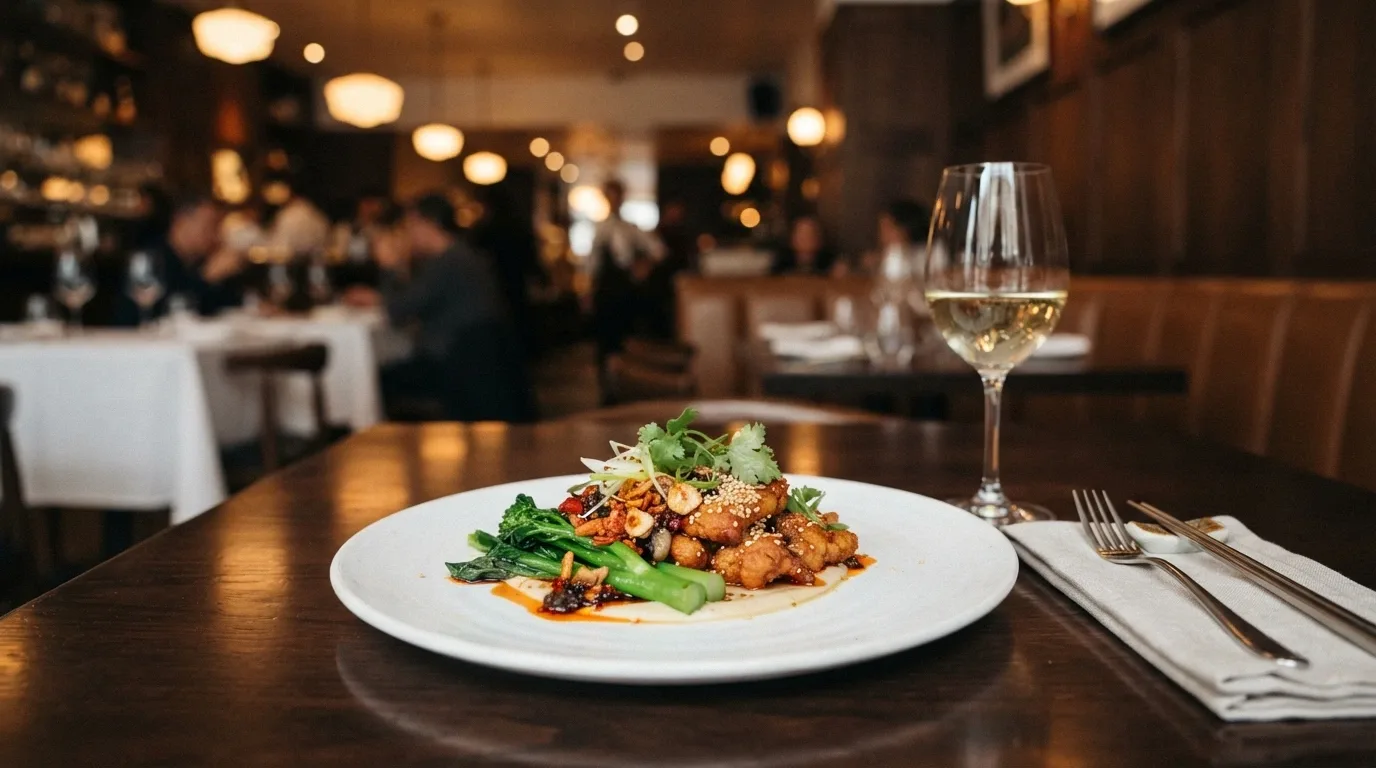
Natural Nine is Casino Canberra’s signature restaurant, and the answer to the buffet question visitors often search for. The restaurant does not run a buffet. It runs a menu-driven kitchen serving Pop Chinese cuisine — a regional Chinese style built around bright flavours and lighter plating than the Cantonese default many Australian diners associate with casino restaurants. The menu reads more like a destination dining venue than a casino floor adjunct, and the seating is set apart from the gaming floor rather than overlooking it.
Service runs across lunch and dinner most days, with breakfast availability on weekends. The pricing sits at destination-dining level — entrees in the mid-$20s, mains in the high $30s to mid $40s, with banquet menus that climb higher for groups. None of these numbers is published as a set figure in the venue’s standard materials, and prices shift with menu changes; the live source for current pricing is the restaurant’s own booking page.
A visitor looking for a “Casino Canberra buffet” or “seafood buffet Canberra casino” should know that such an offer does not exist at the venue. The casino does not run an all-you-can-eat seafood spread, a weekend brunch buffet, or a high-roller private dining buffet. Natural Nine is a kitchen-driven restaurant, and the search query that surfaces Casino Canberra for those terms is matching the venue’s dining reputation rather than its actual dining format.
That mismatch is worth naming clearly. A visitor who arrives expecting a buffet will not find one, and will likely not enjoy the substitution once they realise what is on offer. A visitor who arrives knowing they are booking a Chinese-tasting-menu dinner will have a much better night.
Bars, the Rooftop and Where to Stay Nearby
Onyx Lounge and Chandelier Bar sit alongside Natural Nine as the casino’s two main indoor bars. Onyx is the premium option — quieter seating, a fuller cocktail list, the venue’s main lounge atmosphere. Chandelier Bar leans more towards pre-dinner drinks and the evening social hour, with a central-bar layout and easier access from the gaming floor. The rooftop bar adds an outdoor option on the upper level, with views across the CBD and Glebe Park’s tree line.
There is no on-site hotel. Casino Canberra sits in a CBD catchment that has more accommodation nearby than it could itself provide, and the venue has chosen not to compete on that front. The trade-off is that a visitor’s overnight stay is decoupled from the casino visit itself — they can stay at any of the CBD hotels within walking distance, eat at any of the Civic restaurants they prefer, and arrive at the casino for the gaming and the signature restaurant without being tied to a property-driven package.
Nearby accommodation includes the Crowne Plaza (the building directly adjacent, whose parking is the venue’s main parking partner), the Hyatt Hotel Canberra a short walk away, and the QT Canberra in the CBD. None of these is “the casino hotel” in the way Crown Towers Melbourne is for Crown or The Star is for The Star Sydney. They are simply nearby hotels, each with its own pricing and its own character, and the casino does not bundle stays.
For a visitor planning a night out, the practical pattern is: book dinner at Natural Nine, settle in at one of the bars before or after, hit the gaming floor when ready, and walk back to the hotel at the end. That sequence works because the casino sits in the middle of a walkable CBD rather than on a strip of its own.
Before You Go: Hours, Parking, Events and What to Expect
Opening Hours, Events and the Lotus Room
Casino Canberra is open from 12pm to 4am, seven days a week. The 16-hour daily window is long enough to cover an afternoon arrival, an evening dinner and a late-night session, but the venue is not 24-hour and is not aiming to be. The opening pattern suits the ACT’s licensing conditions, the local customer base, and the operating economics of a single-floor table-gaming venue without pokies.
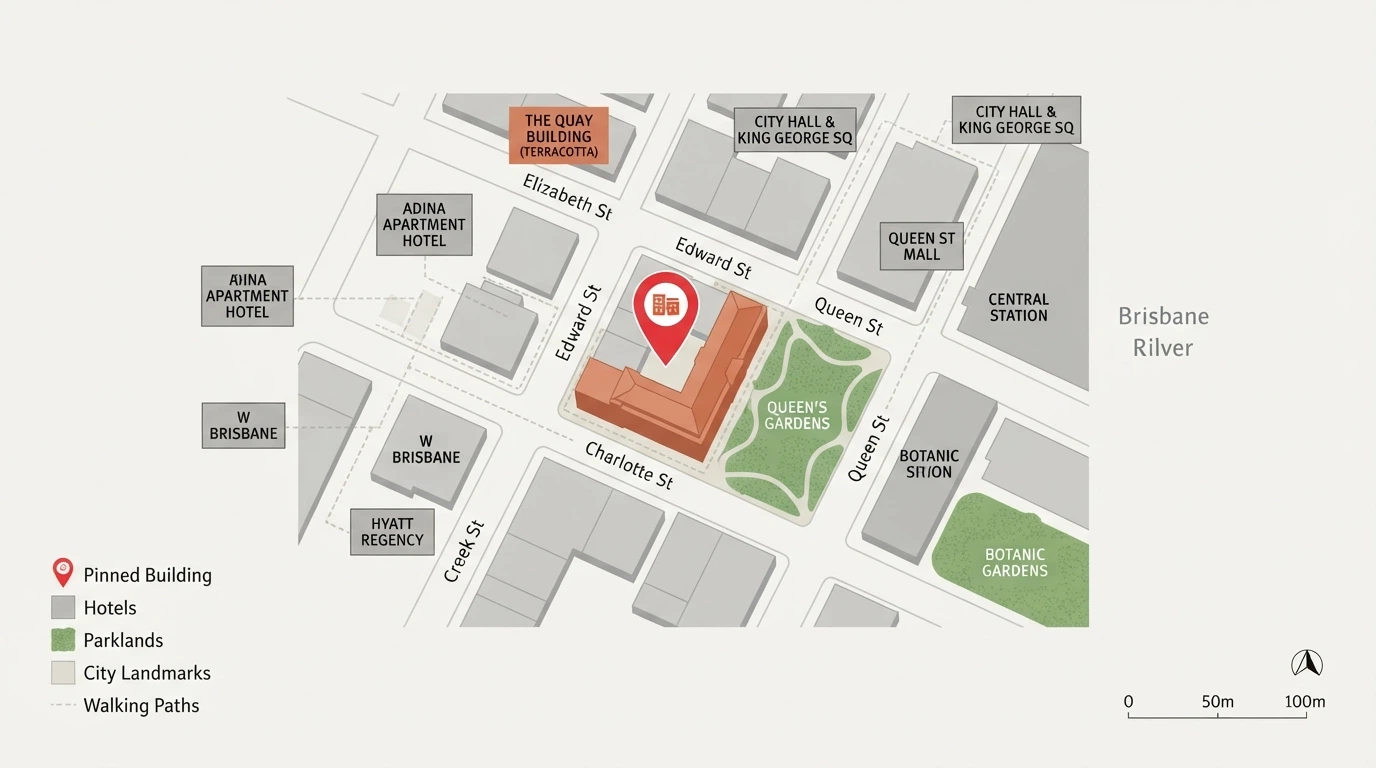
Events run across the floor and in the dedicated Lotus Room, a private gaming and functions space that hosts private gaming tables, group bookings, and event packages. The Lotus Room is the venue’s offer for celebrations, corporate functions, and larger groups that want a private table without competing with the main floor for dealer attention. Booking runs through the venue’s functions team and is separate from the loyalty-program tournament entry covered earlier.
Tournament events — roulette, blackjack and the occasional special-event format — sit on the venue’s events calendar alongside live entertainment, member events, and seasonal programming. The calendar on the casino’s official website is the live source. Tournament terms, prize pools, and entry conditions change between events, and the published terms for the night a visitor plans to attend are the right ones to read.
The Lotus Room’s value is concentration. A private table with a dedicated dealer and a controlled guest list delivers a different night out than the main floor, and the price point reflects the dedicated service. For a birthday, an engagement, or a corporate entertaining event, it is the right venue for the right budget. For a casual visit, the main floor and its tournament schedule are where the action sits.
Parking, Getting There and Contact Details
Casino Canberra does not run a dedicated casino car park. The closest parking is the Wilson Parking at Crowne Plaza, the hotel building directly adjacent. Wilson charges standard city rates, which sit in the $20-$30 range for an evening stay. The casino validates this parking free for Ruby and Diamond tier Infinity Rewards members — a benefit worth several hundred dollars a year for a regular visitor.
For visitors without a loyalty tier, the practical pattern is to budget for the parking fee or to arrive by cab or rideshare. The venue sits on the edge of Glebe Park, within walking distance of Civic’s main hotels, and a short cab ride from anywhere in the CBD or the Parliamentary Triangle. Public transport runs close — the City Bus Interchange at Civic is a few minutes’ walk — but the venue is not designed for the public-transport visitor. Most patrons arrive by car, cab, or on foot from a nearby hotel.
Contact runs through the venue’s official channels. The website carries the events calendar, the loyalty program terms, the dining menus, and the booking forms for Natural Nine and the Lotus Room. The phone line connects to the players desk during opening hours. Email enquiries route through the functions team for events and through the general enquiries inbox for everything else.
A first-time visitor who plans ahead — books dinner at Natural Nine, joins Infinity Rewards on arrival to start earning points, and reads the current tournament terms if they want to play in one — has the best possible night. A visitor who walks in cold still has a good night; the venue is small enough to learn quickly and the staff are used to first-timers.
When Gambling Stops Being Entertainment — Help That Is Free and 24/7
Self-Exclusion, BetStop and the Protection Registers
BetStop — the National Self-Exclusion Register — launched on 21 August 2023 and is the single most effective tool a person struggling with their gambling can use. A single registration excludes that person from every Australian-licensed online and phone wagering service. As of 30 September 2025, 49,382 people had registered for BetStop self-exclusion, with 31,838 exclusions currently active.

The number tells two stories at once. The first is that nearly fifty thousand Australians have decided, formally and in writing, that they want to be locked out. The second is that the same tool is the first thing an offshore casino sidesteps. BetStop binds Australian-licensed operators. It does not bind offshore casinos — they are not licensed, are not part of the register, and have no obligation to honour a BetStop registration. A person who has registered for BetStop can still deposit and still lose on every offshore casino in the comparison table above.
That asymmetry is the limit of self-exclusion as a single tool. For Australian-licensed wagering and for Casino Canberra’s venue-level self-exclusion process, BetStop is decisive. For offshore casinos, it does not reach.
The 2026 reform tightens the frame from 1 January 2027. After BetStop deregistration, a 3-month ban on wagering inducements applies to the deregistered person, and banks gain the authority to refuse transactions to illegal gambling operators. Neither measure closes the offshore loophole, but both make it harder to operate a BetStop exclusion and then immediately return to gambling through the offshore channel.
Venue-level self-exclusion at Casino Canberra sits separately from BetStop. A person who wants to bar themselves from Casino Canberra’s physical premises goes through the venue’s own process, which is run by the players desk and the responsible-gambling team. The venue’s process is documented on its responsible-gambling page, and the staff are trained to handle the conversation without judgement.
Where to Find Help — and What the Prevalence Numbers Say
The help infrastructure for gambling harm in Australia is free, confidential, and available around the clock:
For help with gambling, the National Gambling Helpline (1800 858 858) is free, confidential, and available 24/7. Gambling Help Online (gamblinghelponline.org.au) offers chat and counselling. BetStop (the National Self-Exclusion Register) excludes you from licensed wagering, though not offshore casinos. State services such as GambleAware NSW provide regional support, and self-help apps like Gambling Habit Hacker are available for ongoing assistance.
The prevalence numbers behind those services are worth reading carefully. ANUpoll data from January 2025 shows risky gambling — measured on the PGSI scale — at 19.4% of Australian adults, up from 13.7% in 2024. That is a near-doubling in twelve months and the highest figure in the survey’s recent history. Roy Morgan’s 2024–25 data puts the proportion of problem gamblers at 2.9% of adults, which translates to more than 620,000 Australians — up from 1.9% in 2022–23. Approximately 5.9% of adults reported being harmed by another person’s gambling in the past twelve months. A modelled estimate published in the Journal of Gambling Studies in 2026 puts the total proportion of Australian adults directly affected by gambling harm at around 14 in every 100.
Those numbers are not a warning to the reader. They are the context in which the help services sit. The services exist because the prevalence numbers are what they are. A reader who recognises themselves or someone close to them in those numbers is the reader for whom the helpline was set up.
How We Evaluated Canberra’s Casino Options
The picture this page draws rests on a defined set of sources, checked against a defined set of criteria.
The primary regulatory source is the ACT Gambling and Racing Commission, which holds the licence register, the venue’s licence conditions, and the responsible-gambling obligations Casino Canberra operates under. The Interactive Gambling Act 2001, the Casino Control Act 2006, the Unlawful Gambling Act 2009, and the Gaming Machines Act 2004 are the four ACT and federal statutes that frame the legal position. The Australian Communications and Media Authority’s enforcement record — quarterly investigation totals, blocks and penalties — is the live source for what the prohibition actually means in practice.
The academic and policy sources sit alongside the regulatory ones. The ANU POLIS Centre’s reporting on ACT gambling reform tracks the legislative history of the venue’s pokie eligibility, the Gaming Machines Act 2004 changes, and the EGM cap reduction. The Australian Gambling Research Centre and the Australian Institute of Health and Welfare carry the prevalence data behind the help-services section. Roy Morgan’s PGSI series is the source for the trend in problem-gambling incidence across 2022–25.
The criteria behind the comparison are five: licence status in Australia (the primary structural fact), game range, dining and amenity quality, transparency of bonus terms, and responsible-gambling infrastructure. The first criterion sorts the table — one ACT-licensed venue, nine offshore brands without an Australian licence. The remaining four are how the licensed venue is described in detail and how the offshore brands are flagged where their terms are verifiable and where they are not.
No operator outside the featured set was ranked. The comparison reflects the highest-traffic offshore brands reaching Australian players plus Casino Canberra as the sole licensed venue; the absence of any other licensed Australian casino in the ACT means there is no second entry to rank against.
Is Casino Canberra Worth Visiting? What the Facts Say
The case for visiting is straightforward. The venue is the only place in the ACT to play table games legally. It has 39 tables across blackjack, roulette, baccarat, poker and the supporting cast. It runs tournaments with published prize pools. The Infinity Rewards loyalty program offers meaningful benefits at the higher tiers, including free parking at Crowne Plaza and a private gaming room for Diamond members. Natural Nine is a credible signature restaurant. The location, on the edge of Glebe Park in the Canberra CBD, puts it within walking distance of the city’s main hotels and Civic’s restaurant strip. For a Canberran or a regional visitor who wants a table-gaming night out in a licensed venue with a regulator behind it, Casino Canberra is the only choice, and it is a good one.
The case against visiting is structural. The venue has no poker machines, which rules it out for any visitor whose preferred product is pokies. There is no on-site hotel, which rules out the destination-weekend format that some casino visitors want. The 16-hour daily window rules out late-night-after-the-2am-close travel plans. The pokie absence is the most visible gap in the offer, pushing some Australian pokie players toward offshore alternatives. Those offshore brands operate illegally in Australia, offer no consumer protection, and leave players with zero recourse if things go wrong.
The decision is a fit question. For the table-gaming audience, Casino Canberra is worth the visit. For the pokie audience, the choice the IGA presents is the only one available — play a different product at the licensed venue, or play pokies offshore without Australian consumer protection. Neither is what that audience actually wants, and that is the gap the territory’s 2017 legislation has the power to close if a future licensee ever chooses to exercise the pokie eligibility it now holds.
The honest final answer: Casino Canberra is the best casino in Canberra because it is the only casino in Canberra, and because the things it does well — table games, tournaments, dining, a quiet floor — are the things the ACT visitor most often wants from a casino. The things it does not do — pokies, a hotel, 24-hour operation — are real gaps, but they are gaps for a different reader.
Frequently Asked Questions
What is the Infinity Rewards program and what does each tier actually get you?
Infinity Rewards is Casino Canberra’s free loyalty program with three tiers earned over six months of rated play. Gold is the entry level with a 10% food and beverage discount. Ruby needs 25,000 points ($250 of play) and lifts the discount to 15% and adds free parking at Crowne Plaza. Diamond needs 80,000 points ($800) and raises the discount to 20% plus private gaming room access and a dedicated personal host.
Is there free parking at Casino Canberra and where exactly do I leave the car?
Casino Canberra does not have its own dedicated car park. Most visitors use the Wilson Parking at Crowne Plaza, the hotel building directly adjacent. Standard Wilson rates apply, typically in the $20 to $30 range for an evening stay. Free validated parking at Crowne Plaza is included for Infinity Rewards Ruby and Diamond tier members.
If I use an offshore casino site from Canberra, what are the real risks?
Three real risks. First, no Australian consumer protection — if the operator refuses a withdrawal or voids a win on a terms technicality, no regulator will intervene. Second, the ACMA can block the site at any time with a balance still on it. Third, BetStop self-exclusion does not cover offshore casinos, so a self-excluded person can still deposit and lose on every site accessible from Australia.
Do I need a membership or special outfit to enter Casino Canberra?
No membership is required to walk in. The venue is not strict about formal dress, but smart casual is the practical minimum — closed shoes, no singlets, no thongs at the table games. Bring photo ID: anyone who looks under 25 will be asked at the door, and 18 is the absolute minimum age for entry.
How do I actually get help for a gambling problem in Australia?
The National Gambling Helpline is 1800 858 858 — free, confidential, staffed 24 hours a day, 7 days a week. Online chat and counselling are at gamblinghelponline.org.au. For self-exclusion from Australian-licensed wagering services, register once at BetStop, the National Self-Exclusion Register. State services such as GambleAware NSW also run helplines, web chat and referrals to face-to-face counselling.
Prepared by the Online Pokies Real Money editorial staff.